 ★ 4.8
Rustic Cabin
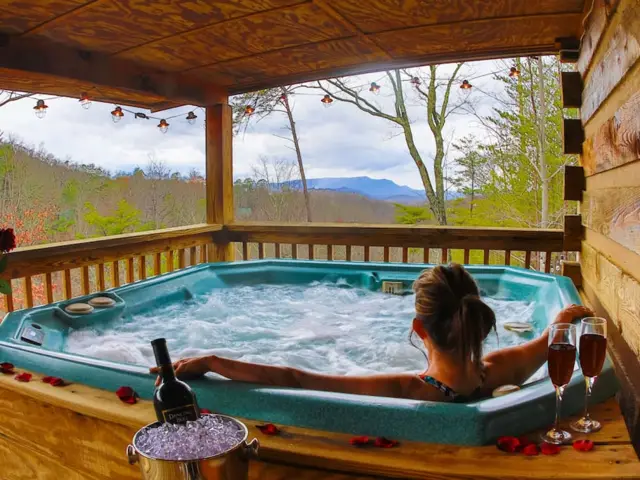
Classic Smokies cabin on 2.5 quiet acres: hot tub, fire pit and sunset views between Gatlinburg and Pigeon Forge.
From $117/night direct price
Great Smoky Mountains · Black bears
From the Cherokee "yona" to near-disappearance in the logging era and the comeback after the national park was created: the story of Smoky Mountain black bears.
Long before the national park, the bear was part of Cherokee life in these mountains. The Cherokee word for bear is "yona." Cherokee stories tell of a clan, the Ani-Tsaguhi, who went into the woods and became bears, and who taught people the songs that were passed down to bear hunters for generations.
As settlers moved into the Smokies in the 1800s, bears were hunted for meat, fat and fur, and they raided crops and livestock. Large-scale logging in the late 1800s and early 1900s cut much of the old forest, and the chestnut blight later killed the American chestnut, once one of the bears' most dependable fall foods.
Researchers at the University of Tennessee concluded that changes to the forest, and to a lesser extent hunting, pushed the bear population down from about 1880 onward. By the 1930s, black bears in Tennessee were left in only a few isolated mountain areas.
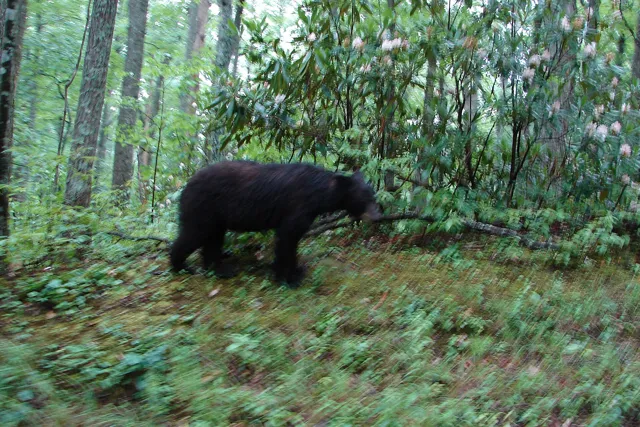
The creation of Great Smoky Mountains National Park in the 1930s, together with the Cherokee National Forest, gave bears a large protected home. Tennessee wildlife managers have said that without these protected lands bears might have disappeared from the state.
Protection, regrowing forests and careful management let the population recover. Today the National Park Service estimates about 1,900 bears live in the park, roughly two per square mile, one of the densest black bear populations in the country.
Success brings new challenges. Bears that learn to eat human food lose their fear of people, and the park reports an average of more than 300 negative human-bear encounters a year. Bears that get human food and garbage often live only half as long as wild-fed bears, which is why feeding bears is illegal and why trash and food storage rules matter so much in the mountains.
Next: What Do Black Bears Eat in the Smoky Mountains?
Our three mountain cabins sit on wooded acres between Pigeon Forge and Gatlinburg, and our cameras see bears about once or twice a week. Read what our guests have seen.
★ 4.8
Classic Smokies cabin on 2.5 quiet acres: hot tub, fire pit and sunset views between Gatlinburg and Pigeon Forge.
From $117/night direct price
 ★ 4.9
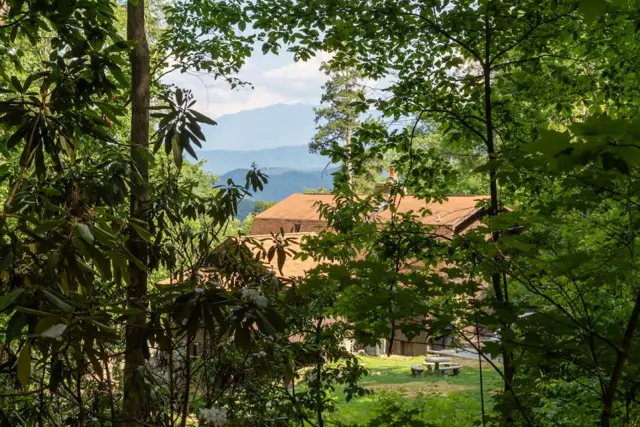
Big family cabin on 2.5 private acres with mountain views, hot tub and a natural spring. About 6 miles to Pigeon Forge.
From $225/night direct price
 ★ 4.9
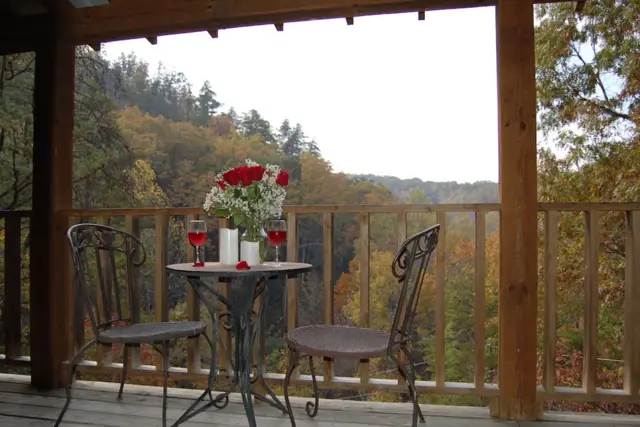
Cozy 1-bedroom hideaway for couples or a small family. Hot tub, fireplace, pool table and mountain views.
From $108/night direct price
Skip the middleman
Same cabins and the same calendar as Airbnb and Vrbo, booked straight with the owners, for less.